
Bone Graft & Socket Preservation
Bone Graft & Socket Preservation in Toronto
When a tooth is removed, the jawbone underneath begins to shrink almost immediately. Without support, that bone loss can make it harder, or even impossible, to place a dental implant down the road. A bone graft placed at the time of extraction stops that process before it starts, preserving the shape and density your jaw needs.
At Dupont Dentalworks, we perform bone grafting as a routine part of tooth extractions for patients who want to keep their options open. Whether you’re planning an implant now or just want to protect your long-term oral health, we’ll walk you through what to expect and help you make the right decision for your smile.
Why We're Trusted for Bone Grafting in Toronto
Implant-Ready Results
We graft with your long-term restoration in mind, setting the stage for successful dental implants.
Five-Star Rating
Perfect rating from 140+ patient reviews for our commitment to comfort and clinical excellence.
Extended Office Hours
Open evenings and Saturdays so your care fits around work and family commitments.
What Is Socket Preservation and Why Does It Matter?
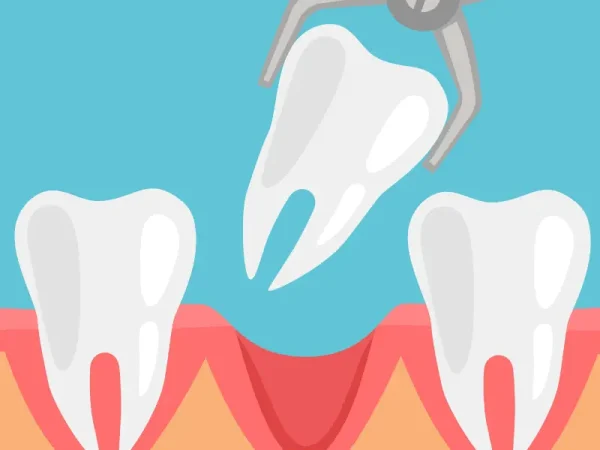
The Problem Bone Loss
After Extraction
After a tooth extraction, the empty socket is no longer stimulated by a tooth root. Without that stimulation, the jawbone begins to resorb, losing height and width over time. This can affect your facial structure, neighbouring teeth, and your eligibility for dental implants.
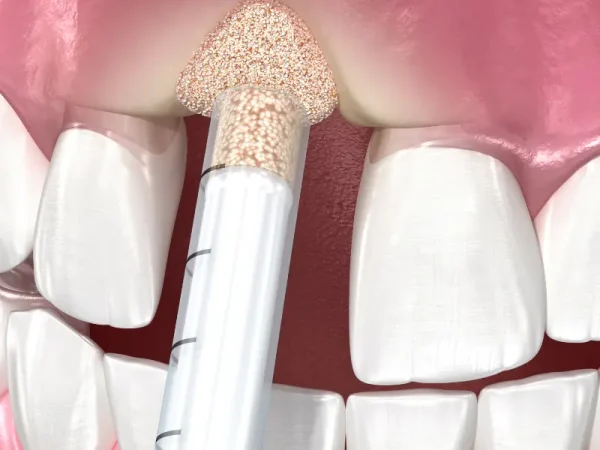
The Solution Socket
Preservation Grafting
A socket preservation graft fills the empty socket with bone graft material immediately after the extraction. This material acts as a scaffold, encouraging your body to grow new bone and maintaining the ridge shape needed for future restoration.
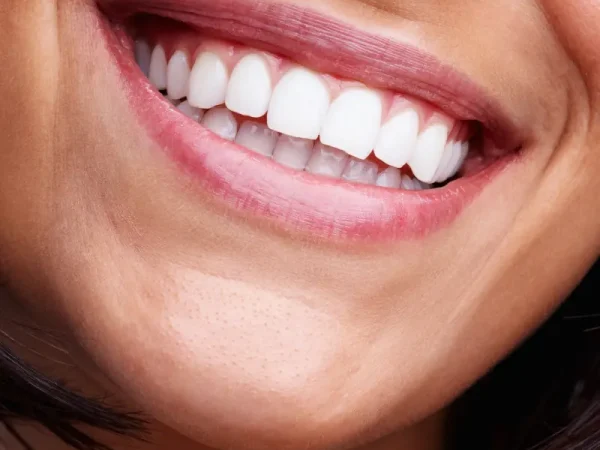
The Outcome A Foundation
for Your Future Smile
By preserving bone volume now, you keep your options open for dental implants, bridges, or dental prosthesis and reduce the need for more extensive (and expensive) bone rebuilding procedures down the road.
Is a Bone Graft & Socket Preservation the Right Option for You?
Learn if this treatment is right for you. If you’re exploring options for Bone Grafting Procedure and searching for a dentist in the Junction, our knowledgeable team will guide you through every step of care.

What to Expect for Your Bone Grafting Procedure at Dupont Dentalworks
Did you know? 40–60% of jawbone width can be lost within 2–3 years of extraction without grafting. Socket preservation significantly reduces this bone loss, making future implant placement simpler and more predictable, and often reducing total treatment time.
We Take A Personalised Approach To Every Bone Grafting Procedure
Whether you’re preparing for a dental implant or simply protecting your jawbone long-term, our team will walk you through your options and tailor a plan to your specific needs. In most cases, the graft is placed at the same appointment as your tooth extraction, minimising your total number of visits and reducing healing time.
We Use Premium Grafting Materials
We use natural bone allografts and synthetic options, and will recommend the best choice based on your anatomy, health history, and treatment goals. If you’re anxious about the procedure, ask us about our minimal sedation options to help you stay comfortable throughout.
Explore More Dental Services at Dupont Dentalworks
Frequently Asked Questions
What is a dental bone graft and when do I need one?
A dental bone graft is a procedure that adds bone material to an area of your jaw where bone is insufficient or has been lost. You may need one after a tooth extraction to preserve the socket, or before a dental implant if your jawbone lacks the volume needed to support the implant securely.
Is socket preservation done at the same time as the extraction?
Yes — in most cases, we perform socket preservation immediately after the extraction in the same appointment. This is the most effective approach, as it prevents the initial bone resorption from occurring and reduces your overall number of visits.
Does bone grafting hurt?
The procedure itself is performed under local anaesthesia, so you should not feel pain during the graft. Afterwards, some soreness and swelling are normal for a few days and are easily managed with over-the-counter pain relief. Patients who are particularly anxious can also take advantage of our minimal sedation options.
How long does it take for a bone graft to heal?
Most patients are fully healed and ready for implant placement within 3–6 months. The timeline depends on the size of the graft, the location in the jaw, and your overall health. We monitor your progress with follow-up X-rays and will let you know exactly when you’re ready for the next step.
What types of bone graft material are used?
We use several types of graft material depending on your case: autografts (your own bone), allografts (donor bone from a bone bank), xenografts (bovine-derived), and synthetic options. Each has advantages, and we’ll recommend the best choice for your anatomy, healing goals, and personal preferences.
Can I get a dental implant without a bone graft?
It depends on your bone density and volume. Some patients have sufficient bone for a dental implant without grafting. However, if you’ve already experienced significant bone loss – or if bone resorption was not prevented at the time of extraction – a graft may be required before the implant can be placed safely.
Is bone grafting covered by dental insurance in Toronto?
Coverage varies by plan. Many insurance policies provide at least partial coverage for socket preservation when it is performed at the time of extraction, and the initial consultation is often covered. We bill most major insurance providers directly and will help you navigate your coverage before treatment begins.
What happens if I don't get a bone graft after an extraction?
Without grafting, the jawbone around the extraction site will begin to resorb. Over time, this can lead to a sunken appearance in the face, shifting of neighbouring teeth, and insufficient bone for a future dental implant. If you later decide to pursue an implant, you may require a larger, more involved ridge augmentation procedure.