
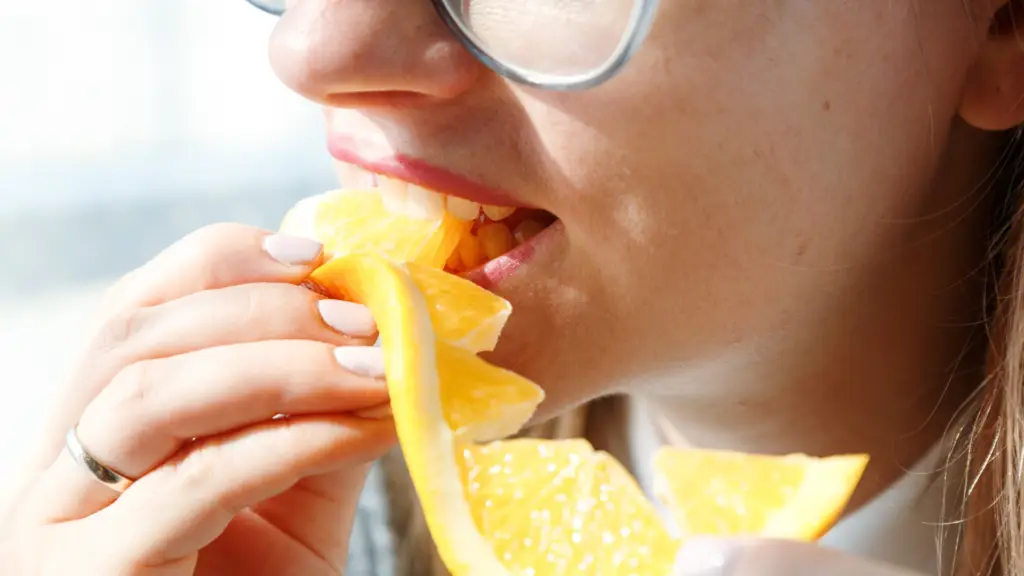
Acidic foods are part of everyday life. Citrus fruits, tomatoes, sparkling water, coffee, salad dressings, kombucha, sports drinks, and soft drinks can all be enjoyable, and many of them can fit into a healthy diet. The issue is not that you need to avoid every acidic food. It is how often your teeth are exposed to acid, and how long that acid stays on the enamel.
Your enamel is the hard outer layer that protects each tooth. When acid sits on the teeth, it can temporarily soften that enamel. Over time, repeated exposure can contribute to enamel erosion, tooth sensitivity, staining, and a higher risk of decay.
Why Acidic Foods Can Weaken Enamel
Acid affects the mineral surface of your teeth. Unlike a cut on your skin, enamel does not grow back once it is worn away. That is why prevention matters.
Common acidic foods and drinks include oranges, lemons, grapefruit, vinegar-based dressings, pickles, tomato sauces, wine, pop, energy drinks, and flavoured sparkling water. Even sugar-free soft drinks can still be acidic, which means they may affect enamel even without the added sugar.
If you sip acidic drinks slowly throughout the day, your teeth may be exposed to acid again and again. That frequent contact gives saliva less time to neutralize acids and help the mouth return to a healthier balance.
Signs Acid May Be Affecting Your Teeth
Enamel erosion can be subtle at first. You may notice sensitivity when drinking something cold, eating something sweet, or brushing near the gumline. Teeth may also start to look slightly dull, translucent at the edges, or more yellow as enamel becomes thinner.
If you are noticing new sensitivity or visible changes, it may be a good time to book an oral exam. A dental exam can help identify whether the issue is enamel wear, gum recession, decay, grinding, or another concern.
How To Enjoy Acidic Foods More Safely
You do not have to give up citrus, coffee, or tomato sauce to protect your smile. A few small changes can make a real difference.
Try having acidic foods as part of a meal rather than snacking on them alone. Drink water after acidic foods or beverages to help rinse the mouth. If you drink something acidic, avoid swishing it around your teeth. For cold acidic drinks, using a straw can help reduce contact with the front teeth.
Timing also matters. Brushing immediately after acidic foods can be too harsh because enamel may be temporarily softened. It is usually better to rinse with water, give your saliva time to work, and brush later with a soft-bristled toothbrush.
Why Hydration Helps Protect Your Smile
Saliva plays an important role in protecting your teeth. It helps wash away food particles, neutralize acids, and support a healthier oral environment. This connects closely with a point Dupont Dentalworks made in its blog on daily habits for a healthy smile during Toronto’s winter: hydration matters because dry mouth can increase the risk of decay and gum concerns.
That advice applies year-round. If your mouth often feels dry, or if you take medication that affects saliva flow, acidic foods and drinks may have a stronger impact. Drinking water throughout the day is one of the simplest ways to support your teeth between appointments.
Regular Cleanings Help Catch Problems Early
Acid erosion is easier to manage when it is caught early. During a dental cleaning Toronto appointment, your dental team can remove buildup, check for sensitivity, look for early signs of enamel wear, and recommend practical changes based on your habits.
This also ties into Dupont Dentalworks’ reminder about routine dental checkups. Preventive visits are not just about cleaning your teeth. They help identify small changes before they become more uncomfortable or more costly to treat.
When To Speak With Your Dentist
Book a visit if you notice tooth sensitivity, rough edges, increased staining, thinning-looking teeth, or discomfort when eating acidic foods. You should also mention habits like frequent sparkling water, lemon water, sports drinks, or reflux symptoms, since these can all influence enamel health.
If acid exposure has already affected the appearance of your teeth, your dentist can explain whether preventive care, fluoride recommendations, bonding, or teeth whitening options may be appropriate. The right advice depends on your enamel, sensitivity, and overall oral health.
FAQs
Are acidic foods always bad for your teeth?
No. Many acidic foods, such as citrus fruits and tomatoes, can be part of a healthy diet. The concern is frequent acid exposure, especially when acidic foods or drinks are consumed slowly throughout the day.
Should I brush right after eating something acidic?
It is usually better to wait. Rinse with water first, then give your mouth time to recover before brushing with a soft-bristled toothbrush.
Can enamel grow back after acid erosion?
Enamel does not grow back once it is lost. However, early enamel weakening can often be managed with better habits, fluoride support, and regular dental care.
What drinks are hardest on enamel?
Soft drinks, sports drinks, energy drinks, citrus juices, wine, and some flavoured sparkling waters can be acidic. How often you drink them and how long they stay in contact with your teeth matters.