
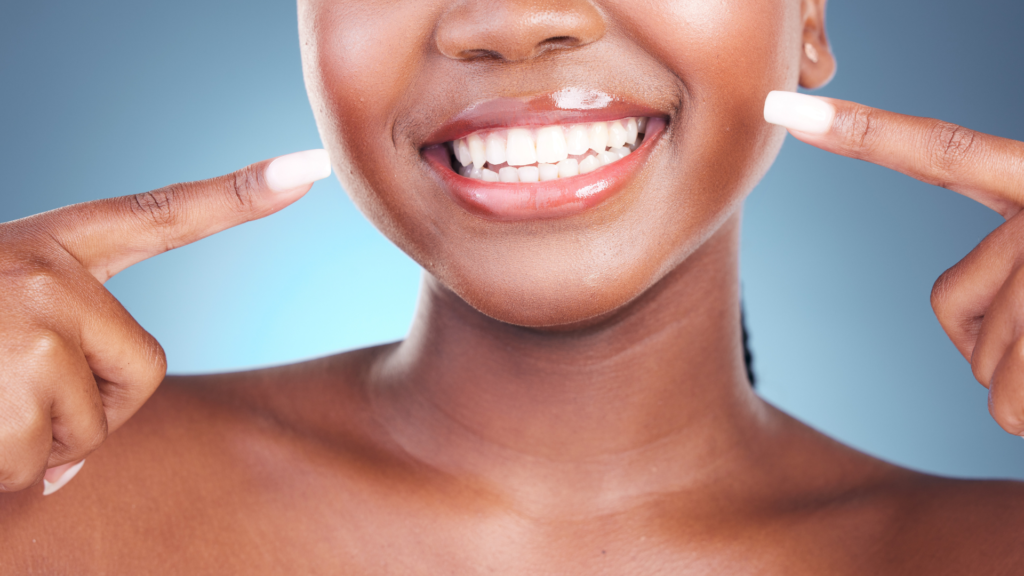
A brighter smile can make a noticeable difference in how you feel when you speak, laugh, or take a photo. For many patients, whitening is not about wanting a dramatic change. It is about refreshing the smile, softening stains, and feeling a little more confident.
If you have tried whitening strips, whitening toothpaste, or store-bought kits and felt disappointed with the results, you may be wondering whether professional whitening is worth it. The answer depends on your teeth, the type of staining you have, your oral health, and your expectations.
At Dupont Dentalworks, we believe cosmetic care should still begin with good dental care. Before brightening your smile, it helps to understand what in-office whitening can do, what it cannot do, and why a dental assessment matters.
What In-Office Teeth Whitening Actually Does
In-office whitening uses professional whitening materials to help lift stains from natural tooth enamel. It is designed to brighten teeth that have become discoloured from everyday habits, aging, coffee, tea, red wine, tobacco, or certain foods.
Unlike whitening toothpaste, which mostly works on surface stains, professional whitening is intended to create a more noticeable change in the shade of your natural teeth. This is one of the main reasons patients consider teeth whitening in Toronto when they want results that feel more even, controlled, and efficient.
The process is also supervised. That matters because whitening is not one-size-fits-all. Your dentist can look at your teeth, gums, enamel, existing restorations, and sensitivity level before recommending whether whitening is appropriate.
Why A Dental Exam Should Come First
Whitening may seem simple, but it is still important to know what is happening in your mouth first. Cavities, gum inflammation, exposed roots, cracked fillings, or enamel wear can all affect comfort and results. If whitening is done before these concerns are addressed, it may lead to unnecessary sensitivity or uneven whitening.
This is why an oral exam and new patient assessment can be helpful before starting. An exam allows your dentist to check the health of your teeth and gums, review your goals, and explain what kind of result is realistic for your smile.
Dupont Dentalworks has also written about the value of routine dental checkups, especially when it comes to catching small concerns before they become larger problems. That same approach applies to whitening. A healthier foundation usually leads to a better, more comfortable cosmetic experience.
Who Is A Good Candidate For Whitening?
Many adults with healthy teeth and gums may be good candidates for professional whitening. It tends to work best on natural teeth with yellow or brown-toned staining from food, drinks, tobacco, or normal aging.
However, whitening does not work the same way for everyone. It will not change the colour of crowns, veneers, fillings, bridges, or dental implants. This is important if you have visible dental work near the front of your smile. If natural teeth whiten but restorations stay the same colour, the final result may not look as even as expected.
Patients with significant sensitivity, gum recession, active decay, or worn enamel may also need a more cautious approach. In some cases, the best first step may be treating a dental issue, completing a cleaning, or discussing other cosmetic options.
Why Cleaning Before Whitening Can Help
Many patients benefit from a professional cleaning before whitening. A cleaning removes plaque, tartar, and some surface stains that brushing cannot fully remove at home. This gives your dentist and hygienist a clearer view of your natural tooth colour and can help whitening materials contact the enamel more evenly.
A professional dental cleaning is not the same thing as whitening, but it can make your smile look fresher and help prepare the teeth for cosmetic treatment. It also gives your dental team a chance to check for gum tenderness, sensitivity, or buildup that may affect your comfort.
What About Sensitivity?
Temporary sensitivity is one of the most common questions patients ask about whitening. Some people feel little to no discomfort, while others notice sensitivity to cold air, cold drinks, or brushing for a short time after treatment.
This does not mean whitening is unsafe for everyone, but it does mean your history matters. If you already have sensitive teeth, tell your dentist before treatment. Your dental team may recommend a specific approach, timing adjustment, desensitizing products, or treatment plan to help reduce discomfort.
Dupont Dentalworks recently discussed how acidic foods may affect your teeth, including the way everyday items like citrus, coffee, sparkling water, and soft drinks can contribute to enamel concerns over time. That point is useful here too. If your enamel is already irritated or worn, whitening should be planned carefully.
Is Professional Whitening Better Than Store-Bought Kits?
Store-bought whitening products can help some people, especially with mild staining. The challenge is that they are not customized to your mouth. Strips may not sit evenly. Trays may not fit properly. Whitening gel may touch the gums. Some products may take longer to show a result, while others may cause sensitivity if used too often or incorrectly.
Professional whitening offers more control. Your dentist can assess your mouth first, protect the gums, monitor comfort, and help set realistic expectations. That supervision is one of the main reasons patients choose in-office whitening rather than trying several products on their own.
How Long Do Whitening Results Last?
Whitening is not permanent. Results can last longer when patients maintain good home care, keep up with dental cleanings, and limit habits that stain the teeth. Coffee, tea, red wine, dark sauces, tobacco, and frequent acidic drinks can all affect how long your smile stays bright.
That does not mean you need to avoid everything you enjoy. It simply means maintenance matters. Drinking water after stain-causing beverages, brushing consistently, flossing daily, and booking regular cleanings can help preserve your results.
Is In-Office Whitening Worth It?
For many patients, yes. In-office whitening can be worth it when you want a brighter smile, faster results, and professional guidance. It is especially helpful if you have tried at-home products and want something more predictable.
It may not be the right first step if you have untreated cavities, gum inflammation, significant sensitivity, or visible restorations that will not change colour. In those cases, a conversation with your dentist can help you choose the safest and most appropriate path.
At Dupont Dentalworks, the goal is not just a whiter smile. It is a healthier, more confident smile that still looks like you.
Frequently Asked Questions
Does in-office teeth whitening hurt?
Most patients tolerate whitening well, but some may experience temporary sensitivity. If your teeth are already sensitive, let your dentist know before treatment so your whitening plan can be adjusted.
How long does professional teeth whitening last?
Results vary based on your diet, oral hygiene, enamel, and lifestyle habits. Regular dental cleanings and good home care can help your smile stay brighter for longer.
Can whitening change the colour of crowns or fillings?
No. Whitening works on natural tooth enamel. Crowns, veneers, fillings, bridges, and implants will not whiten the same way natural teeth do.
Should I get my teeth cleaned before whitening?
In many cases, yes. A cleaning can remove plaque, tartar, and surface stains before whitening, helping your dentist assess your natural tooth colour more clearly.
Is professional whitening better than whitening strips?
Professional whitening is supervised and customized, which can make it more predictable for many patients. Whitening strips may help with mild stains, but they do not offer the same level of assessment or gum protection.