
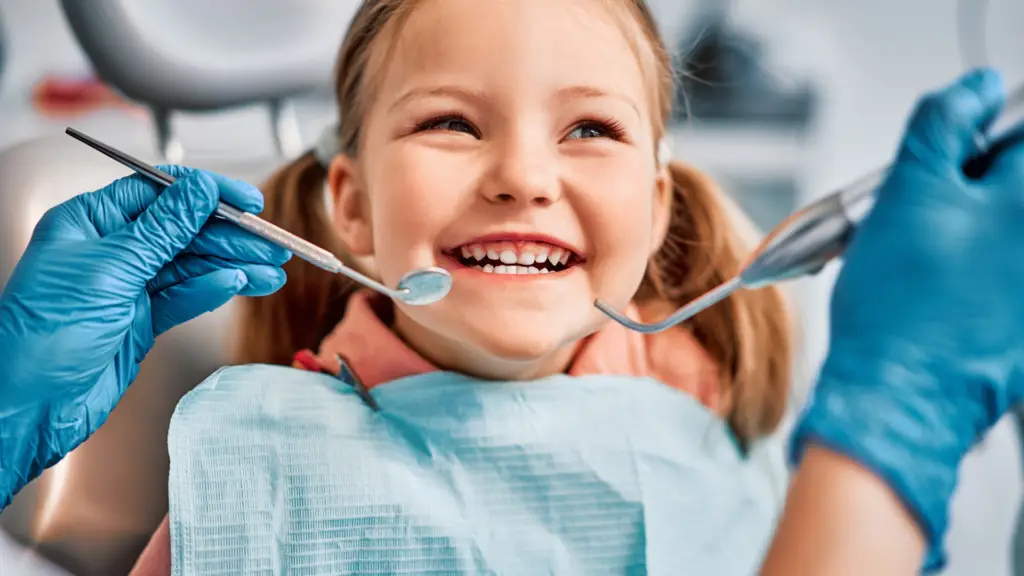
A back-to-school dental checkup gives parents a chance to address cavities, gum concerns, brushing problems and other oral health issues before the school routine becomes busy again. For Toronto families, August is a practical time to schedule the visit because TDSB students return to class on September 8, 2026.
The purpose is straightforward: identify concerns that need attention, confirm what is healthy, and give parents clear next steps before the school year begins. It is also a useful opportunity to reset brushing, food and preventive-care routines after summer.
Why August Is a Good Time to Book a Child’s Dental Checkup
August gives many families more scheduling flexibility than the first few weeks of school. An appointment may be easier to arrange without pulling a child out of class or working around homework, fall sports and extracurricular activities.
It can also be a useful time to reassess routines that changed over the summer. Travel, camps, later bedtimes, extra snacks and less predictable schedules can make even well-established brushing habits harder to maintain.
The Canadian Dental Association recommends starting dental care early and notes that, in most cases, an examination every six months allows a dentist to catch smaller problems sooner. The appropriate interval can still vary according to a child’s cavity risk, dental history and individual needs.
If your child is due for a recall visit, August is a sensible time to arrange a children’s dental exam rather than waiting until something begins to hurt. Dupont Dentalworks’ oral examinations include evaluation of the teeth, gums, bite and other areas of oral health.
What the Dentist Checks During a Back-to-School Dental Exam
A child’s dental examination looks at more than whether the teeth appear clean. The dentist evaluates the teeth and gums while also monitoring dental development and looking for problems that may not yet be causing symptoms.
Depending on the child’s age and needs, the appointment may include:
- Checking for visible signs of tooth decay
- Looking at gum health and difficult-to-clean areas
- Monitoring how permanent teeth are erupting
- Checking bite and tooth alignment
- Reviewing previous fillings or dental treatment
- Discussing sensitivity, pain, grinding, clenching or dental injuries
- Deciding whether dental X-rays are clinically appropriate
The Canadian Dental Association notes that X-rays can help reveal decay between teeth and provide information about how teeth are developing. That does not mean every child automatically requires X-rays at every visit. Their use should be based on the child’s circumstances and the dentist’s clinical assessment.
Parents should also mention small changes they have noticed at home. A child who avoids chewing on one side, suddenly complains about cold drinks, has ongoing sensitivity or has a tooth that changed colour following an injury may need a closer assessment.
Does Your Child Need a Cleaning If They Brush Every Day?
Regular brushing is essential, but it does not necessarily replace professional dental cleaning. Children can miss plaque along the gum line and between teeth, particularly while they are still developing the coordination required for thorough brushing.
A professional dental cleaning can remove plaque and tartar from areas that have been difficult to clean at home. Dupont Dentalworks provides dental cleaning services for children as well as adults.
Parents still play an important role between appointments. The Canadian Dental Association recommends that young children receive help with brushing and that children under six be supervised so they use an appropriate amount of toothpaste and clean effectively.
For children from three to six years old, the CDA recommends approximately a green-pea-sized amount of fluoridated toothpaste with adult assistance. Guidance for children under three depends partly on cavity risk and should be discussed with a dental or health professional.
The practical goal is consistency. Teeth should be cleaned carefully every day with a soft toothbrush and age-appropriate fluoride guidance, with particular attention paid to the bedtime routine.
Dental Problems Can Be Present Before a Child Complains
A child does not need to have a toothache for a dental problem to deserve attention. Early decay may not cause obvious symptoms, and younger children do not always recognize or clearly describe sensitivity and discomfort.
Preventive examinations allow a dentist to identify changes before they become more disruptive. The CDA specifically recommends regular childhood dental visits so problems can be detected early.
Baby teeth also matter even though they eventually fall out. The CDA notes that some primary teeth can remain in a child’s mouth until approximately age 12. Decay that is left untreated can become painful or infected well before the permanent replacement is ready to erupt.
Parents should contact a dentist rather than waiting for the next recall appointment when a child develops symptoms such as:
- Persistent tooth pain
- Swelling around a tooth or in the face
- Pain while biting
- Significant sensitivity to hot, cold or sweet foods
- A broken or chipped tooth
- A tooth that changes colour following trauma
- Gum pain or bleeding that does not settle
A back-to-school appointment is preventive. New swelling, trauma, significant pain or a broken tooth should be assessed promptly instead of waiting for a routine visit.
Reset Your Child’s Oral Care Routine Before School Starts
A useful school-year routine needs to work on busy mornings and evenings, not just during the final week of summer. Start with a few habits that can realistically happen every day.
Brushing twice daily is a strong foundation. Bedtime brushing deserves particular attention because saliva production decreases during sleep, which reduces some of the mouth’s natural cleansing action. The CDA emphasizes the importance of brushing before bed.
Frequency also matters when considering sugary foods and drinks. Bacteria in the mouth use sugars to produce acids that attack enamel, and repeatedly sipping or snacking on sugary products exposes teeth to those acids again and again. The CDA recommends water as the best drink between meals.
For school lunches and snacks, parents can think practically about reducing prolonged sugar exposure. Water, cheese, vegetables, fruit and other foods that do not remain stuck to the teeth for long periods can be easier on the mouth than frequent sticky sweets or continuously sipped sweet drinks.
Check the toothbrush as well. The CDA recommends a soft toothbrush and replacing it when the bristles become worn.
The most effective routine is one your family can keep following in October, January and March, not simply one that looks good on a September checklist.
Make the Dental Visit Easier for a Nervous Child
A calm, predictable explanation is often more helpful than making the dental appointment sound like a major event.
Tell your child what will happen in simple terms. The dentist will look at their teeth, check how they are growing and help them keep their mouth healthy.
Avoid repeatedly telling a worried child that the appointment “won’t hurt.” That wording can unintentionally focus their attention on pain. Instead, answer questions plainly and allow the dental team to explain unfamiliar instruments or procedures in age-appropriate language.
If your child has a specific fear, sensory sensitivity, strong gag reflex, previous difficult dental experience or trouble remaining still, tell the dental office before the appointment.
Dupont Dentalworks offers minimal sedation with nitrous oxide for appropriate patients. The practice notes that nitrous oxide may be considered for children who are anxious or have difficulty sitting still, following a review of the child’s health history and individual circumstances.
For younger children who have not yet established regular dental visits, parents can also review when a child’s first dental visit should happen. Dupont Dentalworks’ existing guidance focuses on creating a comfortable introduction to dental care from an early age.
What Parents Should Tell the Dentist Before the School Year
Information from home can help the dentist understand changes that may not be obvious during an examination.
Mention anything new since the last visit, including:
- Tooth sensitivity
- Nighttime grinding or clenching
- Jaw soreness in the morning
- Falls, sports collisions or other mouth injuries
- Difficulty chewing particular foods
- Bleeding during brushing
- Persistent dry mouth
- A loose tooth that seems unusual
- Medication or medical-history changes
If your child participates in sports where there is a risk of a blow to the mouth, ask whether a mouthguard would be appropriate. The American Dental Association recommends mouthguards for sports and recreational activities where dental injury is possible.
Giving the dentist this context helps separate concerns that require treatment from changes that simply need monitoring.
When Should Your Child’s Next Dental Visit Be?
There is no recall schedule that is perfect for every child.
The Canadian Dental Association says that in most cases a dental examination every six months allows the dentist to catch smaller problems early, but an individual dentist may recommend a different interval.
A child with repeated cavities, dental trauma, difficulty maintaining home care or other ongoing concerns may require a different schedule than a child with consistently healthy teeth and gums.
The useful question to ask before leaving the appointment is simple: When should my child return, and what should we watch for between visits?
For Toronto families, a back-to-school dental checkup can provide a practical August reset. It allows parents to confirm that teeth and gums are healthy, address problems before they interfere with school, and establish an oral-care routine that fits the family’s regular schedule.
If your child is due for an examination or cleaning, Dupont Dentalworks can help determine the appropriate next visit before the school year gets underway.
Frequently Asked Questions
Can my child have a dental checkup if a baby tooth is loose?
Yes. A normally loosening primary tooth does not prevent the dentist from checking the remainder of the mouth. If the tooth became loose because of a fall, collision or another injury rather than normal development, tell the dental team when you book.
Should my child wear a mouthguard for school sports?
A mouthguard is a sensible protective measure for activities where the teeth could be hit. The ADA recommends mouthguards during sports and recreational activities, while the most appropriate type for a particular child can be discussed with their dentist.
What should I bring to my child’s dental appointment?
Bring an up-to-date list of medications and health conditions as well as any dental records the office has requested. Writing down recent symptoms, injuries and questions beforehand can also make the appointment more productive.
What if my child’s dental checkup cannot happen before school starts?
Book the next practical appointment instead of skipping preventive care because the August window has passed. The back-to-school period is convenient for many families, but routine dental care remains useful throughout the year.