
A healthy smile is not only about keeping teeth clean. It is also about protecting teeth that have been weakened, damaged, worn down, or replaced. Dental crowns are one of the most common ways to restore strength, function, and appearance when a tooth needs more support than a filling can provide.
At Dupont Dentalworks, crowns may be used as part of restorative, cosmetic, or implant-supported care. Whether you are repairing a natural tooth or replacing a missing one with an implant-retained crown, the goal is the same: to help your smile feel comfortable, stable, and natural.
What Is A Dental Crown?
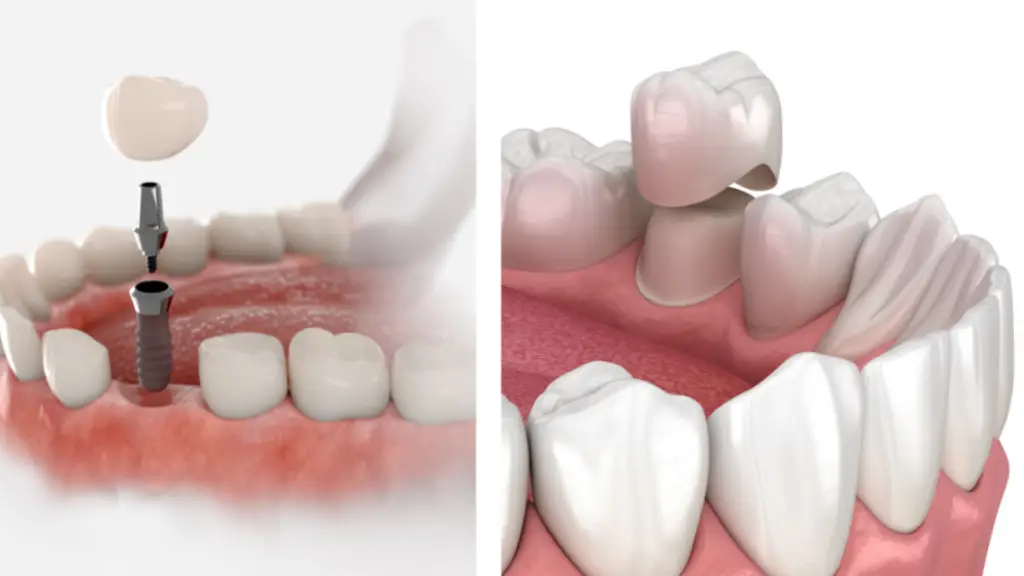
A dental crown is a custom-made cap that fits over a tooth or attaches to a dental implant. It is designed to look and function like a natural tooth while protecting the structure underneath.
Crowns are often recommended when a tooth has been cracked, weakened by decay, treated with a root canal, or affected by significant wear. They can also improve the appearance of a tooth that is misshapen or severely discoloured.
For patients exploring dental crowns Toronto options, the right treatment depends on the condition of the tooth, the surrounding gums, and the long-term goal for your bite and smile.
When A Crown May Be Recommended
A crown may be suggested when there is not enough healthy tooth structure left for a standard filling. Fillings are useful for smaller areas of damage, but a crown provides fuller coverage and support.
Crowns can help protect teeth after root canal treatment, restore chewing comfort, and reduce the risk of further cracking. They may also be used as part of a bridge or to complete a dental implant restoration.
In Dupont Dentalworks’ blog on routine dental checkups, one useful point is the importance of early detection. Small problems are often easier to treat before they lead to more complex restorative needs. That same idea applies to crowns. The earlier damage is assessed, the more options you may have.
What Makes Implant-Retained Crowns Different?
An implant-retained crown is used when a tooth is missing. Instead of placing a crown over a natural tooth, the crown is attached to a dental implant. The implant acts like an artificial tooth root, creating a stable foundation for the replacement tooth.
This option can be especially helpful when a single tooth is missing and the surrounding teeth are healthy. Unlike some traditional bridge treatments, an implant-retained crown does not usually require reshaping the neighbouring teeth for support.
Dupont Dentalworks explains in its blog, Are Dental Implants Right for You? A Toronto Dentist’s Guide to Long-Term Tooth Replacement, that implants are designed to integrate with the jawbone and provide a strong foundation for a custom crown. This is one of the reasons many patients consider dental implants when they want a secure, long-term tooth replacement option.
The Crown Process: What To Expect
The process usually begins with an exam, X-rays, and a conversation about your symptoms and goals. If a natural tooth is being crowned, the tooth is shaped so the crown can fit properly. Impressions or digital scans are then used to create a custom restoration.
If the crown is implant-retained, the process is different. The implant must first be placed and allowed to heal before the final crown is attached. Healing time varies, and some patients may need additional treatment, such as bone grafting or socket preservation, to create a stronger foundation before implant placement.
Throughout the process, comfort, fit, bite alignment, and appearance all matter. A well-designed crown should feel natural when you chew and blend in with the rest of your smile.
How To Care For A Dental Crown
Crowns are strong, but they still need regular care. Brushing twice a day, flossing around the crown, and keeping up with professional cleanings all help protect the gum tissue and the tooth or implant beneath the restoration.
Avoid biting hard objects such as ice, pens, or hard candy, especially if you have a history of cracked teeth. If you grind your teeth at night, your dentist may recommend a nightguard to help protect your crown and natural teeth.
Regular visits for dental cleaning appointments also give your dental team a chance to check the crown margins, gum health, bite, and overall condition of the restoration.
A Natural-Looking Way To Restore Confidence
A crown should not feel like an obvious dental repair. With modern materials and careful planning, crowns can be made to match the colour, shape, and size of your surrounding teeth.
If you have a damaged tooth, a missing tooth, or an older crown that no longer feels right, the best first step is an exam. Your dentist can explain whether a traditional crown, implant-retained crown, bridge, or another dental prosthesis option is the right fit for your needs.
FAQs
How long do dental crowns last?
Many dental crowns last several years, and some last much longer with good oral hygiene, regular checkups, and proper bite protection. The lifespan depends on the material, your habits, and the health of the tooth or implant underneath.
Is an implant-retained crown the same as a regular crown?
The visible crown may look similar, but the support is different. A regular crown covers a natural tooth, while an implant-retained crown attaches to a dental implant that replaces the missing tooth root.
Do crowns look natural?
Yes. Modern crowns are designed to match surrounding teeth in colour, size, and shape. Your dentist will consider both appearance and function when planning the restoration.
Can a crown fix a cracked tooth?
In many cases, yes. A crown can help protect and stabilize a cracked tooth, but the right treatment depends on the depth and location of the crack.
Source note for accuracy: I referenced Dupont Dentalworks’ dental implants page, dental prosthesis services page, and related blog content to confirm their service language, implant-retained crown context, and internal linking opportunities. (dupontdentalworks.com)